How To Remove Tree Sap From Hands
Getting sticky tree sap on your hands can be a frustrating experience. Whether you’re handling a Christmas tree, gardening, or working with sap-producing plants, knowing how to effectively remove tree sap is essential. Tree sap can be incredibly stubborn and difficult to wash away with just soap and water, making it necessary to use special methods and common household items to ensure your hands are sap-free. In this guide, we'll cover multiple methods using common household items to help you easily remove tree sap from your hands.
Removing tree sap from hands involves using household items like cooking oil, sugar, peanut butter, or hand sanitizer, followed by washing with soap and water.
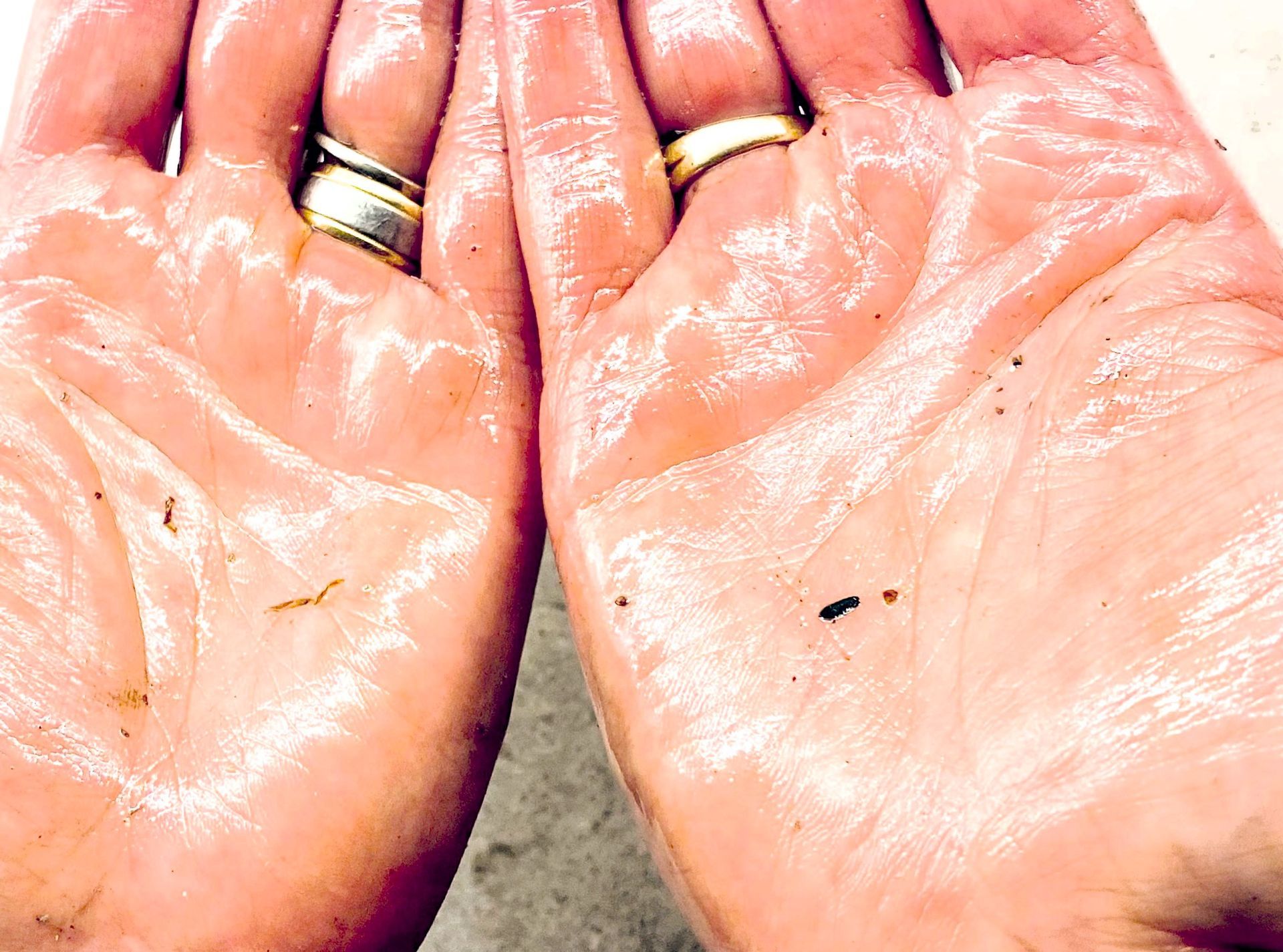
Understanding Tree Sap
Tree sap is a sticky substance produced by trees that can be difficult to remove from skin. Sap acts like a natural adhesive, which is why it clings so strongly to surfaces, including your skin. Common scenarios where you might get tree sap on your hands include handling Christmas trees, pruning, or gardening. Sap can harden quickly when exposed to air, making it even more challenging to clean. This sticky substance can trap dirt and debris, making your hands not only sticky but also dirty. Understanding the nature of tree sap is the first step in effectively removing it.
Effective Methods to Remove Tree Sap from Hands
Cooking Oil and Sugar Method
Using cooking oil and sugar is a simple and effective way to remove tree sap from your hands. This method utilizes the oil to break down the sticky sap and the sugar to act as an abrasive agent, helping to scrub away the residue.
Step-by-Step Instructions:
- Apply Oil: Start by applying a small amount of cooking oil (vegetable, olive, or canola) to the sap-covered areas of your hands. The oil helps to break down the sap's sticky properties.
- Add Sugar: Add a generous amount of sugar to your hands. The sugar acts as a mild abrasive, which helps in scrubbing off the sap.
- Rub Hands Together: Rub your hands together for 30-60 seconds, scrubbing lightly over the sappy spots. The combination of oil and sugar will effectively break down and remove the sap.
- Wash Hands: Wash your hands with warm water and dish detergent to remove the sugar and oil. Ensure that all residue is washed away to leave your hands clean.
Benefits:
- Gentle on skin.
- Uses common kitchen ingredients.
- Effective for both fresh and slightly hardened sap.
Olive Oil or Peanut Butter Method
Olive oil and peanut butter can also be used to break down tree sap effectively. Both contain oils that can help dissolve the sap.
Step-by-Step Instructions:
- Apply Oil or Peanut Butter: Apply olive oil or peanut butter to the sap-covered areas of your hands. Both substances contain oils that help to break down the sap.
- Let Sit: Let it sit for a few minutes to allow the oils to penetrate and break down the sap.
- Rub Gently: Rub gently to disintegrate the sap. This helps to lift the sap from your skin.
- Wash Hands: Wash your hands with soap and water to remove the residue. This step ensures that all the oil or peanut butter and sap are washed away.
Benefits:
- Effective at breaking down sap.
- Uses pantry staples.
- Safe for skin and easy to use.
Hand Sanitizer Method
Alcohol-based hand sanitizer is another quick solution for removing tree sap. The alcohol helps dissolve the sticky sap, making it easier to wash away.
Step-by-Step Instructions:
- Apply Hand Sanitizer: Apply alcohol-based hand sanitizer to your hands. The alcohol content helps to break down the sap.
- Rub Hands Together: Rub your hands together until the sap begins to dissolve. The sanitizer works quickly to loosen the sap.
- Wash Hands: Wash your hands with soap and water to remove any remaining sap and sanitizer residue.
Benefits:
- Quick and easy.
- Available in most homes and purses.
- Effective for fresh sap removal.
Dawn Soap Method
Dawn dish soap is effective for removing fresh tree sap from your hands. The soap's grease-cutting properties help to break down and remove the sap.
Step-by-Step Instructions:
- Apply Soap: Apply Dawn dish soap directly to the sap-covered areas.
- Scrub Hands: Scrub your hands under warm water. The soap helps to break down the sap while the warm water washes it away.
- Repeat if Necessary: Repeat if necessary until the sap is completely removed.
Benefits:
- Effective for fresh sap.
- Common household cleaner.
- Gentle on skin.
WD-40 Method
WD-40 can help remove hardened tree sap from your hands. This method is particularly useful for sap that has dried and become tough to remove.
Step-by-Step Instructions:
- Spray WD-40: Spray WD-40 on the sap-covered areas of your hands. The lubricating properties of WD-40 help to break down the hardened sap.
- Let Sit: Let it sit for a few minutes to penetrate the sap.
- Wipe Off: Wipe off the sap with a clean cloth. This step helps to remove the bulk of the sap.
- Wash Hands: Wash your hands with soap and water to remove any WD-40 residue and remaining sap.
Benefits:
- Effective for hardened sap.
- Versatile household product.
- Quick acting.
Additional Tips and Alternatives
- Salt Instead of Sugar: If you don’t have sugar, salt can be used as a substitute for scrubbing. Salt acts as an abrasive agent similar to sugar.
- Vinegar or Baking Soda: These can also be effective for removing sap. Apply vinegar or a baking soda paste to the sap and scrub gently. Both are natural and safe for skin.
- Precautions: Be cautious when using harsher chemicals like WD-40 and always wash your hands thoroughly afterward to prevent skin irritation.
Conclusion
Removing tree sap from your hands can be a simple process with the right methods. By using common household items like cooking oil, sugar, peanut butter, hand sanitizer, Dawn soap, or WD-40, you can effectively get rid of tree sap without damaging your skin. These methods are not only effective but also gentle on the skin, making them safe for repeated use. Remember these tips the next time you encounter sticky sap, and keep your hands clean and sap-free.
FAQ Section
Can cooking oil remove tree sap from hands?
Yes, cooking oil can effectively break down tree sap. Apply a small amount of oil to your hands, rub gently, and then wash with soap and water. The oil helps to dissolve the sticky sap, making it easier to remove.
Is hand sanitizer effective for removing tree sap?
Yes, alcohol-based hand sanitizer can dissolve tree sap. Apply the sanitizer, rub your hands together, and then wash with soap and water. The alcohol content in the sanitizer helps to break down the sap, making it easy to wash away.
Will WD-40 damage my skin when removing tree sap?
While WD-40 is effective at removing sap, it can be harsh on the skin. Use it sparingly and wash thoroughly with soap and water afterward. It’s best to use this method as a last resort for hardened sap.
Can I use peanut butter to remove tree sap from my hands?
Yes, peanut butter contains oils that can break down tree sap. Apply it to the affected area, let it sit, then rub gently and wash with soap and water. Peanut butter is a safe and effective method for removing sap from hands.
What should I do if soap and water alone don’t remove the sap?
If soap and water alone aren’t effective, try using one of the methods mentioned, such as cooking oil and sugar, hand sanitizer, or WD-40. These methods are designed to break down the sap, making it easier to remove with soap and water.